Corporate Apparel for Plastics and Components Manufacturers
Machinists, molders, quality techs, shipping and an inside sales team, often across more than one plant. One program keeps all of them in the same brand without a stockroom.
Multiple plants, one store
Every facility on the same standard.
Workwear and office apparel
Built to your brand standards.
Purchase, not rental
Your people own what they order.
Ships to each employee
Packed individually, within 5 to 7 business days.
Plastics Companies Are a Core Part of Our Work
Plastics shapes and components manufacturers are one of the sectors we run programs for today, and they fit the model well. Most have multiple facilities, more than one logo and a customer base that visits the plant. Most also have someone in operations or HR who has been ordering shirts by email for years and would like to stop.
Our manufacturing apparel programs replace that with a private store. Your approved workwear and office apparel live there, built to your brand standards. Employees order, each item is made after it is ordered, and it ships to that person. No facility holds stock and no one counts boxes.
Purchase, Not Rental
A rental service
- Ties you to a recurring contract
- The garments belong to the supplier
- Branded options tend to be narrow
A purchase program
- Your employees own what they order
- They choose from real brands
- Nothing gets collected on a route
We lay out that comparison honestly on our uniform rental vs purchase page, including the cases where rental is the better choice. If you want the purchase model in full, the managed uniform program page covers it.
One Store, Every Role in the Plant
The program is built around who wears the apparel, not around a catalog page.
Production and machining
Durable workwear shirts and jackets from labels like Red Kap and Dickies, decorated to survive the wash.
Quality and engineering
Polos and layering that work on the floor and in a customer audit the same afternoon.
Shipping and receiving
Screen printed safety vests and seasonal outerwear for the dock.
Office and sales
Name-brand polos, woven shirts and jackets for the people customers meet first.
Each group sees the items approved for its role. Logos and colors are identical across the plant, so a customer walking the floor sees one company.
Decorated in Our Own Building
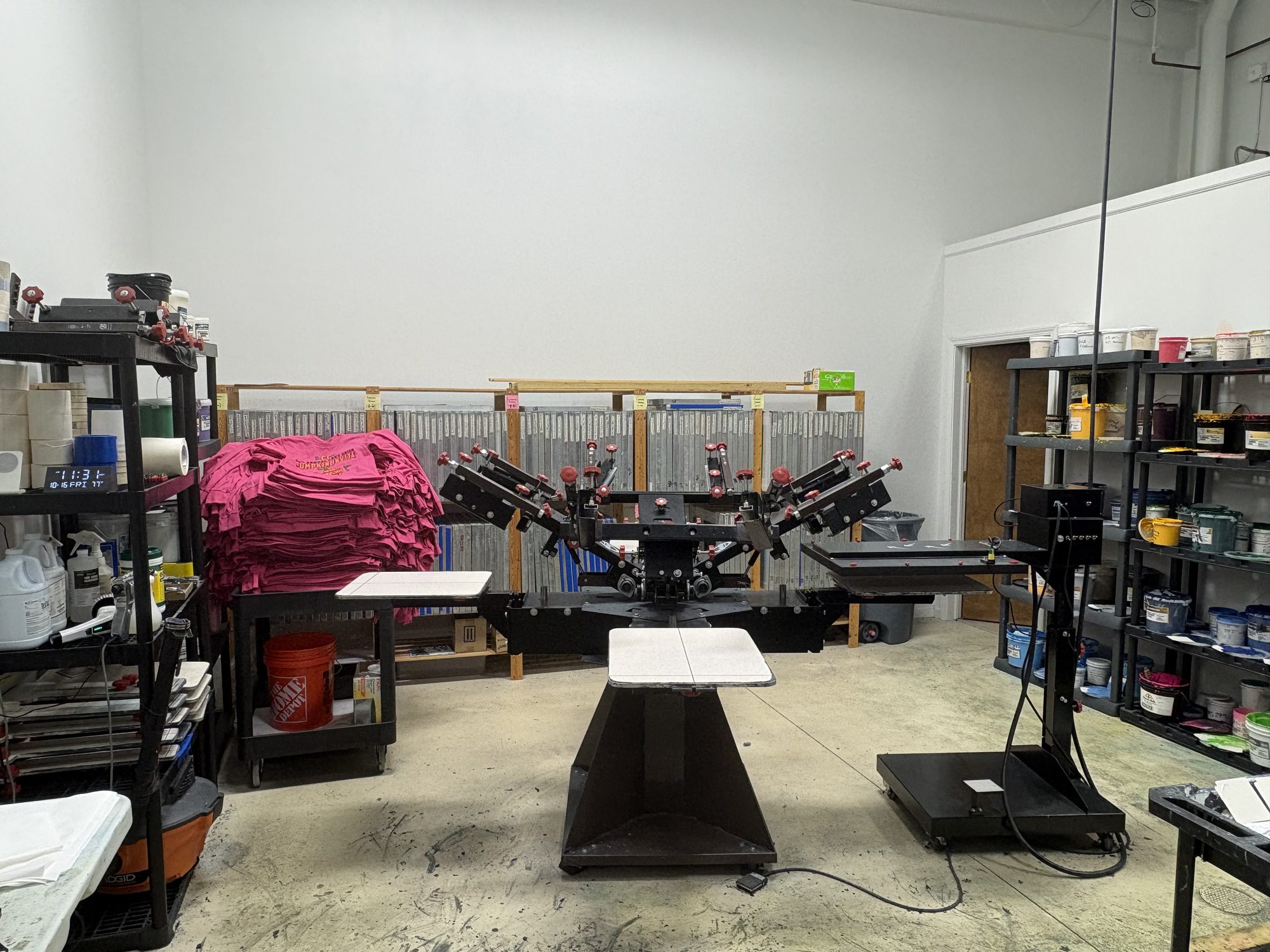
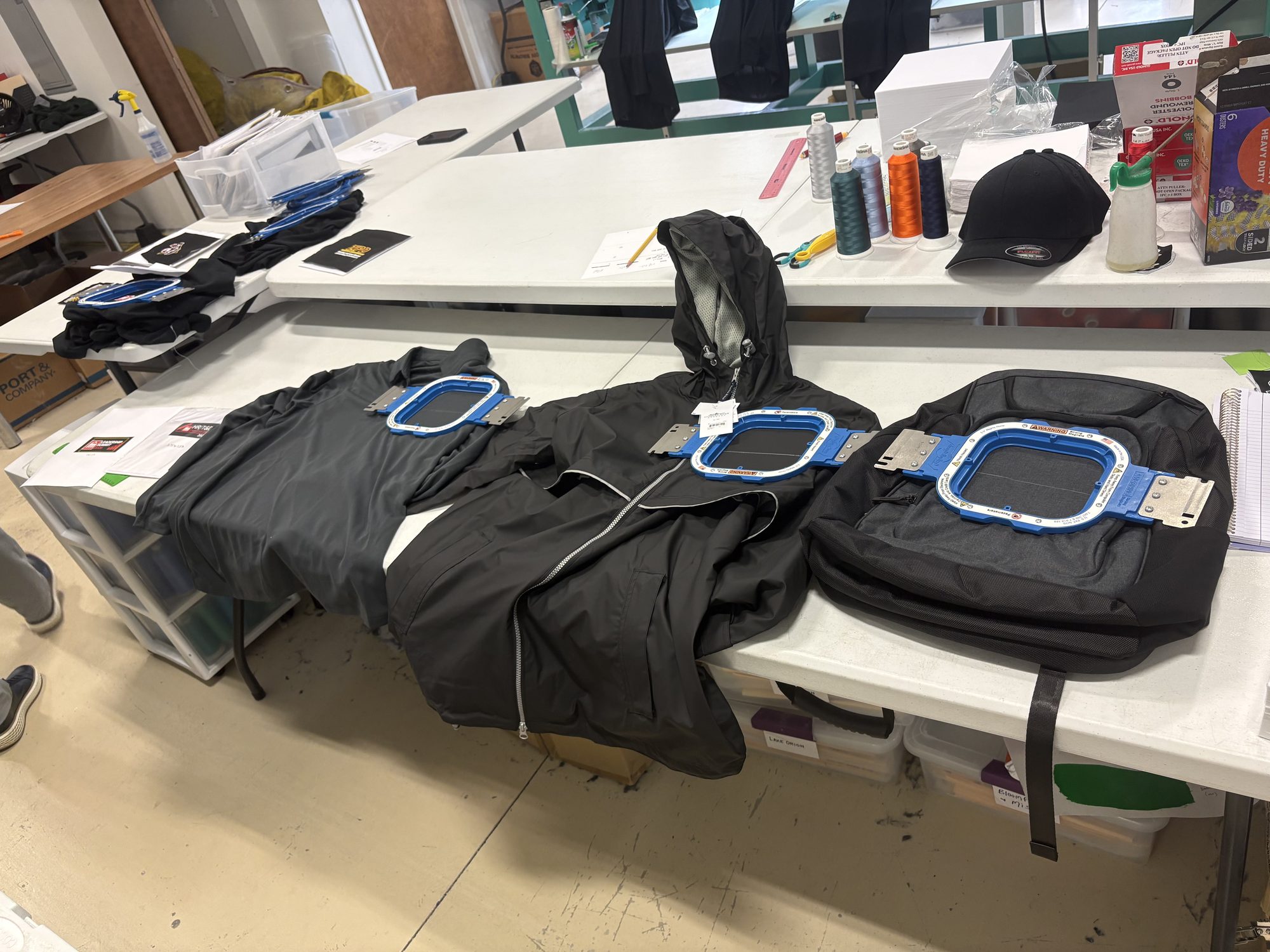
Everything in the program is decorated in house in Michigan. We digitize and prove out each logo, embroider polos, layering and outerwear, and run manual screen printing for tees, sweatshirts and safety vests. Because we run manual screen printing equipment, an order for one vest and two shirts is routine. Most store-based programs cannot do that without a setup charge.
That is also why plastics companies with a corporate mark and separate plant or division marks do well here. Each mark gets its own file and is assigned to the right items. You can read more about it on our embroidery and screen printing page.
Turnover, New Hires and Replacements
Plant headcount moves, and bulk orders never match it. With make to order, a new hire places an order the first week and it ships within 5 to 7 business days. A worn-out jacket gets replaced with the same jacket. Nobody waits for the next batch.
Most companies fund the program with employee apparel credits. You are invoiced for what is redeemed, not for the full credit amount. If you already pay a clothing allowance or a uniform reimbursement, our uniform allowance program page explains how to move it into a store.
Size and Spend
employees at most of our manufacturing clients
to build the store
average per employee per year
Our manufacturing programs mostly belong to companies between 150 and 1,000 employees, with the majority above 400. Companies under 50 employees are typically not a good fit, because a store that size tends to go unused. The floor is about $100 per employee per year, and programs that work well average $200 or more. Building the store costs nothing and there is no contract.
One question decides most outcomes
One question decides most outcomes: will the company cover some part of each employee’s purchase? Stores launched with no company contribution disappoint every time, regardless of headcount. We ask on the first call, and our six-step process takes it from there.
Comfort and Durability Your Crews Will Notice
Plant apparel gets judged on two things: whether it is comfortable through a full shift near molding presses and machining centers, and whether it still looks right after months of washing. We choose workwear and polos from brands built for that kind of durability, and we decorate in a way that holds up. Embroidery is stitched on garments meant for it, and screen printing is reserved for the tees, sweatshirts and safety vests where it lasts.
It helps to know where we sit in the uniform industry. We are not a uniform manufacturer and we are not a catalog distributor that sends your order to someone else. Blank garments come from apparel wholesalers after each employee orders, and every product is decorated, packed and shipped from our shop in Michigan, to employees across the USA. Our clients deal with one company from the first call to the last order.
Where This Fits
The full manufacturing approach this page builds on.
Common Questions
Yes. Plastics shapes and components manufacturers are one of the sectors we currently run programs for.
Yes. Eligibility is set per group, so each person sees the items meant for their role, while logos and colors stay the same across the company.
No. Nothing is produced until someone orders it, and each order ships to the person who placed it.
Each logo is digitized into its own file and assigned to the right items and groups in the store.
Usually not. Work pants are normally supplied undecorated while shirts and jackets carry the logo.
There is no minimum on individual orders. Once your program is running, one employee can order a single polo and a tee, and it is processed like any other order. There is no contract and no leftover stock to buy back. Programs are built for steady, ongoing business rather than one-time orders, so if spending ends up well below what was planned, we talk it through with you.
More on how a program runs on the full FAQ page.
Tell Us About Your Plants
Your company name, roughly how many employees you have, how many sites and what you want the program to do. We will set up a short discovery call from there.