
Corporate Apparel for Professional Services Firms
Accounting firms, insurance businesses and consultancies with offices in more than one city. Almost everything your people wear with the firm’s name on it is seen by a client, which changes what the program has to be good at.
Every garment client-facing
Fewer, better items.
Several offices, one look
The same standard in every location.
Recruiting and gifting
Funded separately, from the same store.
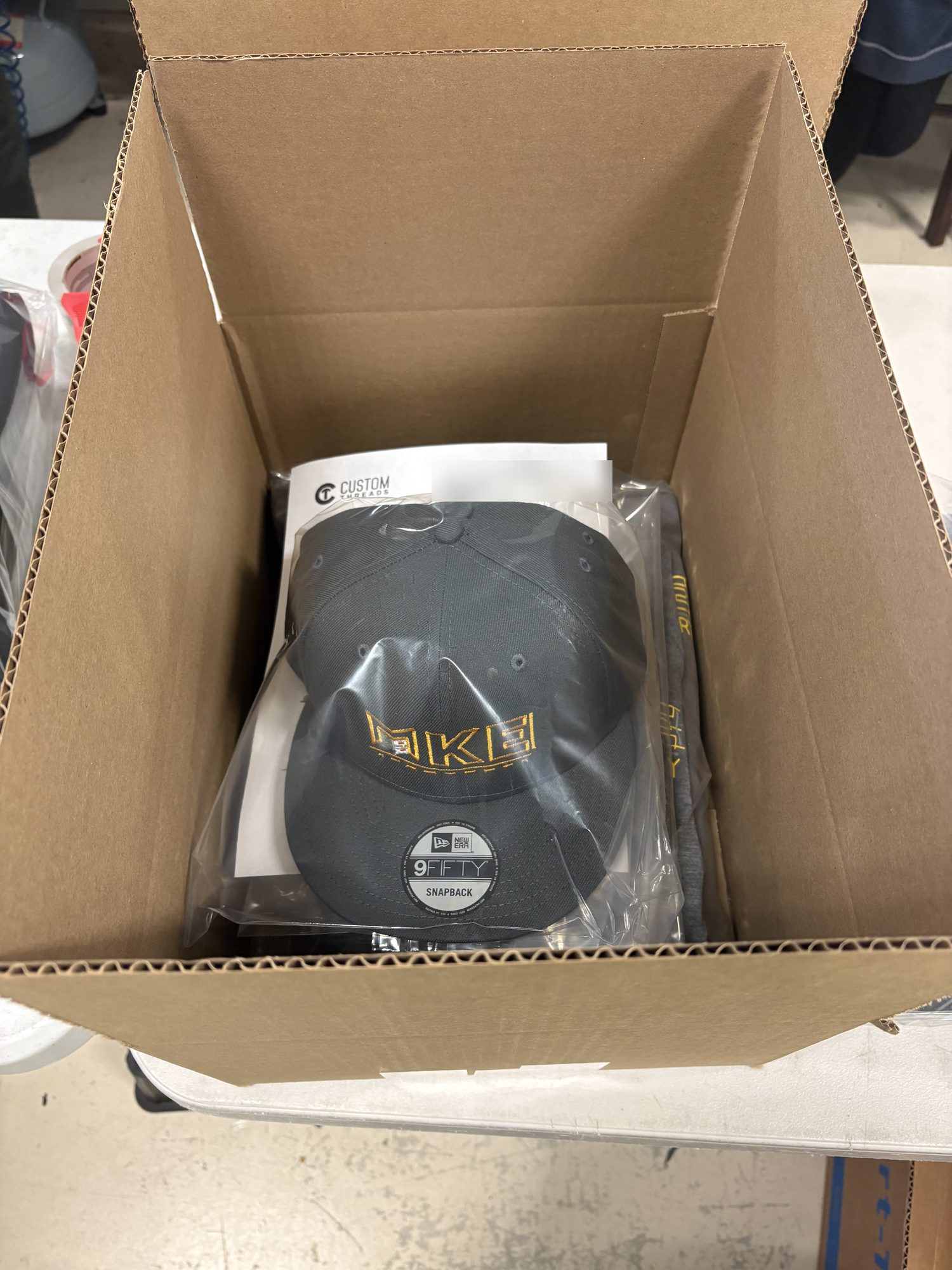
Ships to each employee
Packed individually, within 5 to 7 business days.
Every Garment Is Client-Facing
On a plant site most apparel is worn by people who will never meet a customer. In a professional services firm the reverse is true. There is no back of house, so there is nothing in the portfolio that can be merely functional, and the quality bar sits higher than the volume would suggest.
That changes the economics in a way worth knowing before you set a budget. A firm of 300 orders fewer garments per person than a manufacturer of 300, but each one has to stand up in a client meeting. Fewer, better items beats a wide catalog, and a program that looks like a giveaway undermines the brand it was supposed to reinforce.
It also means the apparel has to work alongside clothing people already own. Nobody at an accounting firm is being dressed head to toe. A dress code and apparel policy here is usually about what the firm provides on top of business casual, not about replacing a wardrobe.
Where the Apparel Actually Gets Worn
Firms consistently underestimate this and build for the first use only. The other three are where the spend goes, and they are the reason a single polo order never lasts the year.
Client site and travel
Staff working at a client’s offices for weeks at a time, and partners travelling between locations. Layering and outerwear carry the brand here more than a shirt does, because that is what is visible in a lobby.
Conferences and industry events
Booth staff, speakers and anyone working a stand. Needed in quantity, on a date set months ahead, and usually ordered by marketing rather than by whoever owns the day-to-day program.
Recruiting and campus
Career fairs, intern cohorts and first-week welcome items. A distinct audience with a distinct quality expectation, and often the first impression a future hire has of the firm.
Client gifting
Items that leave with a client rather than staying with staff. The quality bar is highest here and the approver is usually different again, frequently a partner rather than marketing.
Firm-wide moments
Anniversaries, office openings, charity days and community events the firm sponsors. Irregular, visible, and almost always needed sooner than anyone planned.
Everyday office
The quiet baseline. Casual Friday, office-branded layering, and items staff simply choose to wear because they are comfortable and well made.
One portfolio covers all six. What separates them is funding and approval, which is what employee credit and gift programs are for: a standing balance for staff, and separate budgets with their own approvers for events, recruiting and gifting.
One Firm, Several Offices, One Look
A national footprint creates the same problem a branch network has, with higher stakes per garment. If the Chicago office is ordering locally and the Dallas office is using a different supplier, the logo drifts, the colors drift, and partners who travel notice before anyone else does.
The fix is structural rather than procedural. Your mark is digitized into a stitch file, approved on a sewn sample, and run on every order from then on. Logo digitizing, embroidery and screen printing all happen in our own building, so a quarter-zip ordered by one office matches one ordered by another two years later.
Firms with sub-brands, practice groups or an acquired name still in use get a file per mark, assigned to the right items. That matters more in professional services than almost anywhere, because a retired brand appearing at a client event is a conversation nobody wants to have.
Logo placement is part of that standard rather than an afterthought. The same company logo sits differently on a cardigan, a soft shell jacket and a business shirt, so placement and size are set per item when the portfolio is built. Brand consistency across a firm is mostly the accumulation of those small decisions, and professional appearance is what every one of your employees is carrying into a client meeting on the firm’s behalf.
What a Professional Services Portfolio Usually Carries
Narrower than an industrial program and weighted toward layering, because that is the part of an outfit a firm can supply without dictating the rest of it.
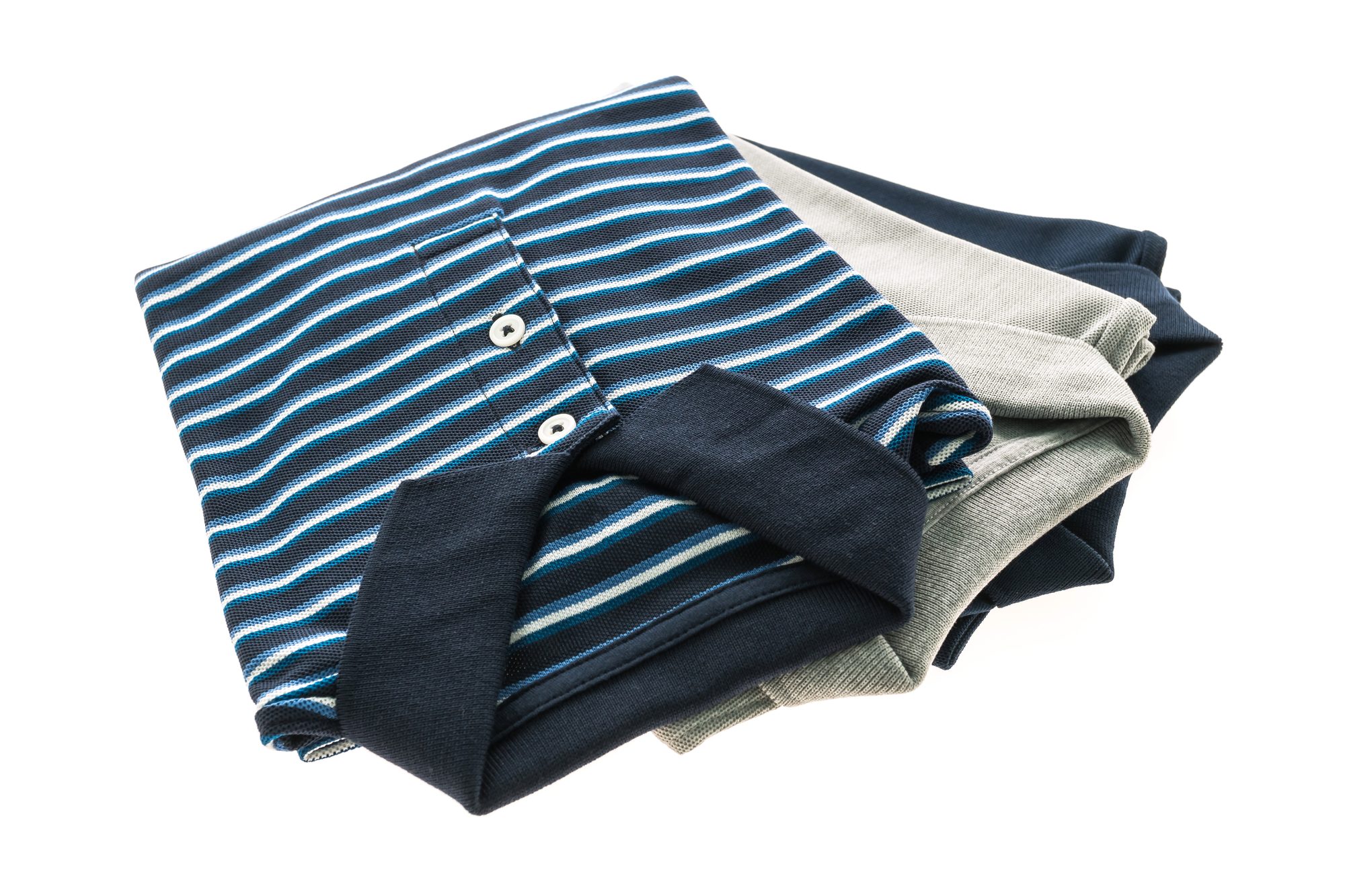
Layering, which does most of the work
Quarter-zip and full-zip sweaters, cardigans, soft shell and blazer-weight pieces. Worn over clothing people already own, which is why this category carries the brand in practice.
Polos and woven shirts
In both men’s and women’s fits. The daily layer for less formal offices and for client sites with a relaxed dress code.
Outerwear, bags and headwear
Coats and rainwear for staff who travel, plus messenger and computer bags, backpacks and caps for events and recruiting.
Fit is a program decision rather than a detail here. A single unisex cut tends to go unworn by a large share of a professional workforce, which is an expensive way to save a line item when every garment is client-facing.
Who Runs It, and How Little Time It Takes
In most firms this lands on marketing, on HR, or on an executive assistant, and in each case it arrives as an addition to a job that was already full. The point of a managed program is that the recurring work disappears rather than being redistributed.
Nobody collects sizes. Nobody places orders on behalf of colleagues. Nobody receives a carton, sorts it by office and re-ships. Each person orders their own size and it is produced and shipped to them, wherever they are, which also removes the awkward part where someone has to chase reimbursements.
Orders ship within 5 to 7 business days. If something is wrong the person contacts us directly rather than going through whoever owns the program internally, which is covered on sizing, returns and reorders.
Two groups benefit more than anyone expects. A new hire can be in branded apparel during their first week rather than waiting for a bulk order, which matters in a profession where onboarding is itself a retention exercise. And office staff who are not client-facing often turn out to be the most consistent wearers, because a well made jacket is something people choose rather than tolerate. Treating the allowance as a benefit rather than an obligation is what produces that, and it costs nothing extra to frame it that way.
Budget and How It Gets Funded
to build your store
per employee per year to start
average per employee per year
items on a typical order
Building the store costs the firm nothing, and there is no contract, no minimum order size behind it.
Most programs set a floor of at least $100 per person per year with the average landing at $200 or more, and a typical order runs to about four items. Billing is redemption based, so the firm is invoiced against what people actually order rather than against the full credit pool, which makes an unspent allowance a real saving rather than a sunk cost.
Fund events separately
Events, recruiting and client gifting are usually funded separately from the staff allowance, with their own budgets and their own approvers. That separation is worth setting up at the start, because it is what stops a conference order quietly consuming the whole year’s apparel budget in March.
Where This Fits
The other sectors we run programs for, and what changes between them.
How staff allowances, events, recruiting and gifting get funded.
The full managed program this sits inside.
Common Questions
Usually more than firms expect. A professional services program is rarely about uniforms. It is about supplying the branded layer that goes over what people already wear, plus everything needed for events, recruiting and client gifting, without any of it landing on one person’s desk.
By removing local ordering. Everyone orders from the same approved store, the mark comes from approved files applied the same way every time, and each order is produced and shipped to the individual. Offices cannot drift apart if no office is buying separately.
Yes, and we would recommend it. A standing allowance for staff plus separate budgets with their own approvers for conferences, recruiting and gifting keeps one large event order from consuming the year.
Weighted toward layering, because that is what a firm can supply without dictating the rest of an outfit: quarter-zip and full-zip sweaters, cardigans and soft shell pieces, plus polos and woven shirts in both fits, outerwear for travel, and bags and headwear for events.
Yes, from the same portfolio and the same store, usually under a separate budget. Specialty items such as custom knitted socks and scarves are available alongside the standard range.
Yes. Each mark is digitized into its own file and assigned to the right items, so a practice group’s brand and the firm’s brand do not end up on the wrong garments. Retired names are removed from the store entirely.
Somebody owns the relationship and the decisions, which is typically one conversation a quarter. Nobody collects sizes, places orders for colleagues, receives cartons or handles reimbursements, because individual ordering and direct shipping remove those steps.
There is no minimum on individual orders. Once your program is running, one employee can order a single polo and a tee, and it is processed like any other order. There is no contract and no leftover stock to buy back. Programs are built for steady, ongoing business rather than one-time orders, so if spending ends up well below what was planned, we talk it through with you.
Orders ship within 5 to 7 business days of being placed. For an event the practical constraint is usually how early the internal decision is made rather than production time.
More on how a program runs on the full FAQ page.
Talk Through Your Firm
Your firm name, roughly how many people you have and how many offices. Our team will follow up to talk it through.